Don't delay your roof replacement! Flexible financing available with low monthly payments.
How Much Does a New Roof Cost in 2026? Your Ultimate Pricing Guide
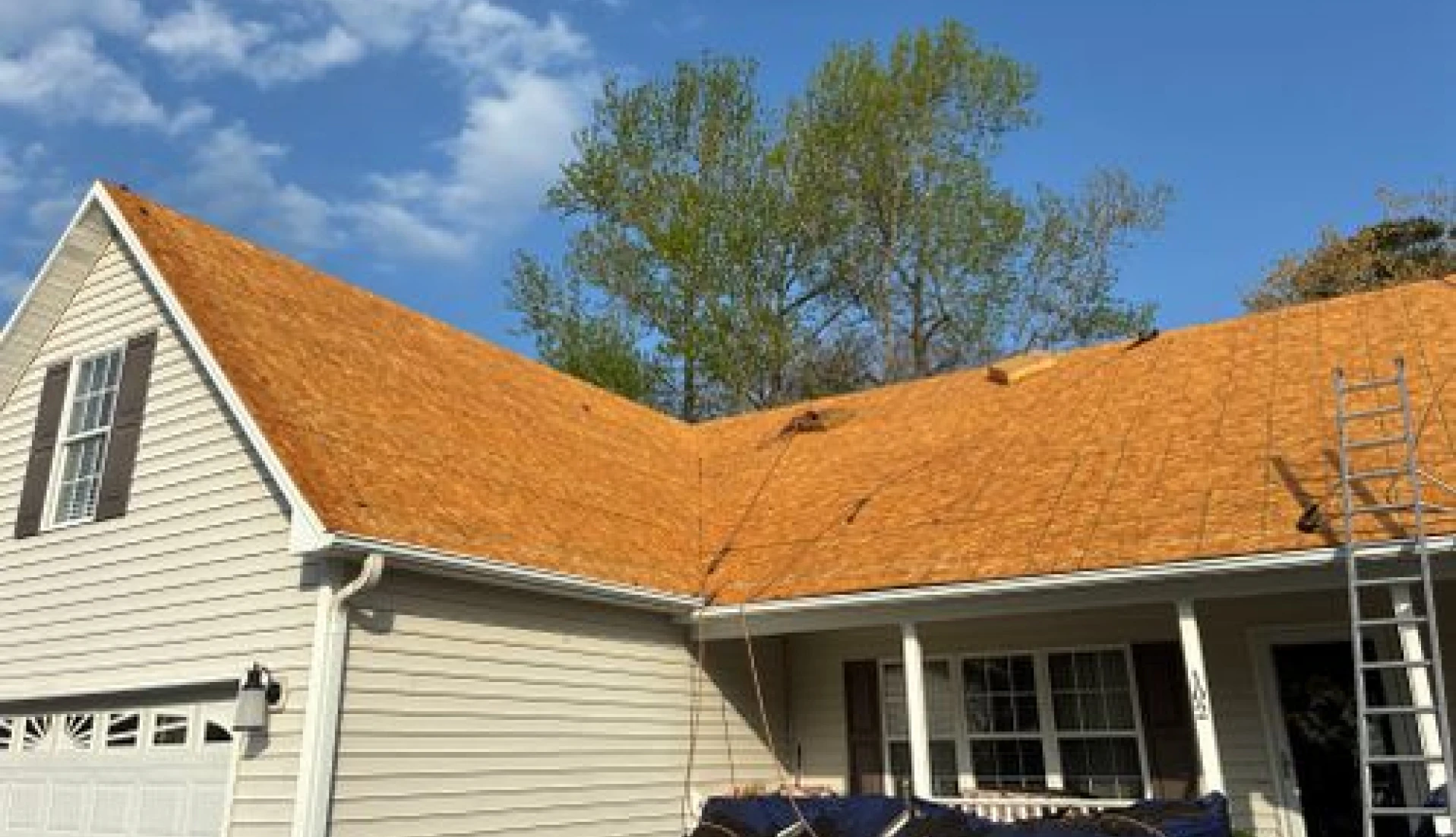
Understanding the Full Scope of Roof Replacement Costs
Replacing a roof in 2026 typically costs between $8,000 and $30,000 for most residential properties, with the national average hovering around $15,000 to $18,000. However, these figures can vary significantly based on several critical factors that directly impact your final invoice.
The primary cost drivers include your roof’s total square footage, the materials you select, labor rates in your region, the complexity of your roof’s design, and any structural repairs discovered during installation. A simple gable roof on a 1,500-square-foot home will cost substantially less than a multi-level structure with steep pitches, valleys, and multiple penetrations for chimneys or skylights.
Material selection represents the most significant variable in pricing. Standard three-tab asphalt shingles remain the most economical option at $3.50 to $5.50 per square foot installed, while architectural shingles range from $4.50 to $8.00 per square foot. Metal roofing systems command $7.00 to $12.00 per square foot, and premium materials like slate or clay tile can exceed $15.00 to $25.00 per square foot.
Labor costs in Wilmington and the surrounding coastal communities typically account for 40 to 60 percent of your total project cost. The region’s strong construction demand, particularly following storm seasons, can temporarily elevate labor rates. Experienced installation teams ensure proper ventilation, flashing, and underlayment application, which are crucial for long-term performance in North Carolina’s humid subtropical climate.
Roof complexity adds cost through increased labor hours and material waste. Features like dormers, skylights, multiple roof planes, and steep pitches require additional safety equipment, specialized techniques, and more precise measurements. A straightforward ranch-style home might be completed in two to three days, while a complex Victorian design could require a week or more of skilled labor.
Comparing Materials for Durability and Value
Your material choice determines not only your upfront investment but also your roof’s lifespan, maintenance requirements, and energy efficiency. Each option carries distinct advantages and trade-offs worth considering for coastal North Carolina properties.
Asphalt shingles dominate the residential market due to their balance of affordability, performance, and aesthetic versatility. Three-tab shingles offer 15 to 20 years of service and cost $90 to $120 per square (100 square feet) in materials alone. Architectural or dimensional shingles provide superior wind resistance, enhanced curb appeal, and 25 to 30-year warranties, with material costs ranging from $120 to $200 per square. For Wilmington homeowners, architectural shingles often justify their premium through better performance in high-wind events and improved resistance to algae growth in humid conditions.
Metal roofing has gained popularity in coastal areas for its exceptional durability and storm resistance. Standing seam metal systems, which interlock without exposed fasteners, cost $400 to $700 per square installed. Metal roofs excel in salt-air environments like Wrightsville Beach and Kure Beach, where they resist corrosion better than traditional materials and reflect solar heat to reduce cooling costs. These systems frequently last 40 to 50 years with minimal maintenance, making them a strong long-term investment despite higher initial costs.
Clay and concrete tiles deliver distinctive Mediterranean or Spanish Colonial aesthetics while providing 50-plus years of service. Material costs range from $400 to $900 per square, with installation requiring reinforced roof structures to support the weight. These materials perform well in southern climates but require careful consideration of structural capacity and installation expertise.
Wood shakes offer natural beauty but demand more maintenance in humid climates. Cedar shakes cost $350 to $600 per square installed and typically last 20 to 25 years with proper care. The coastal moisture and potential for storm debris make wood a less practical choice for many Wilmington-area properties. When selecting materials, consider how professional installation services ensure proper application techniques that maximize your chosen material’s longevity and warranty coverage.
How Local Climate and Market Conditions Shape Your Investment
Wilmington’s coastal location and weather patterns create specific considerations that directly affect roof replacement costs and material performance. Understanding these regional factors helps you make informed decisions that protect your investment.
The area’s hurricane exposure and frequent severe thunderstorms drive demand for impact-resistant materials and enhanced fastening systems. Building codes in coastal North Carolina require stronger wind ratings, typically 130 mph or higher for areas within the hurricane wind zone. Meeting these requirements adds 10 to 15 percent to material and labor costs compared to inland regions, but this investment proves essential when tropical systems approach. Properties in Kure Beach, Carolina Beach, and other oceanfront communities often face the strictest requirements and highest installation costs.
Humidity and salt air accelerate deterioration of certain materials while favoring others. The persistent moisture throughout spring and summer promotes algae and mildew growth on organic materials, making algae-resistant shingles with copper or zinc granules a worthwhile upgrade. Salt spray within a few miles of the ocean corrodes standard metal fasteners and flashing, requiring stainless steel or specially coated components that increase material costs by $500 to $1,200 per project.
Permit requirements and inspection fees vary across New Hanover, Pender, and Brunswick counties. Most jurisdictions charge $150 to $400 for residential roof permits, with inspections required at specific installation stages. Working with local contractors familiar with municipal requirements prevents delays and ensures code compliance. Labor availability fluctuates seasonally, with peak demand from March through November when weather favors construction. Scheduling projects during slower winter months can sometimes yield 5 to 10 percent savings on labor rates, though weather delays become more likely.
Anticipating Additional Expenses Beyond Base Installation
Many homeowners focus exclusively on material and labor costs, only to encounter unexpected expenses during their project. Understanding potential additional costs allows for accurate budgeting and prevents mid-project surprises.
Tear-off and disposal of your existing roof typically adds $1.00 to $2.00 per square foot to your project. A 2,000-square-foot roof generates two to three tons of waste requiring proper disposal at licensed facilities. Some contractors include removal in their base quote, while others itemize it separately, so verify what your estimate covers.
Decking replacement becomes necessary when inspections reveal rot, water damage, or structural weakness in the underlying plywood or OSB sheathing. Replacing damaged sections costs $2.50 to $4.00 per square foot for materials and labor. Homes with long-standing leaks or inadequate ventilation often require extensive decking work that can add $2,000 to $5,000 to the total project cost. Thorough pre-installation inspections identify these issues early, preventing cost surprises.
Underlayment upgrades provide enhanced protection but increase costs. Standard felt paper remains the most economical option, while synthetic underlayment offers superior tear resistance and waterproofing for an additional $0.50 to $1.00 per square foot. Ice and water shield, required in vulnerable areas like eaves and valleys, adds $1.50 to $2.50 per square foot for those sections.
Flashing replacement around chimneys, skylights, and roof-wall intersections ensures watertight seals. Quality flashing installation requires skilled craftsmanship and corrosion-resistant materials. Expect $200 to $500 per chimney and $150 to $300 per skylight for proper flashing work. Ventilation improvements, including ridge vents, soffit vents, or powered attic fans, range from $300 to $1,500 depending on your home’s needs. Proper ventilation extends shingle life and improves energy efficiency, making it a valuable investment. Transparent contractors provide detailed estimates that itemize these components, allowing you to understand exactly what your investment includes.
Steps to Secure Reliable Quotes and Begin Your Project
Armed with knowledge about costs and variables, you can now approach the estimation process strategically to ensure accurate pricing and quality workmanship.
Request detailed written estimates from at least three licensed contractors. Quality estimates include specific material brands and grades, labor breakdowns, warranty information, project timelines, and itemized costs for removal, disposal, permits, and additional work. Vague or verbal quotes often lead to disputes and unexpected charges. Ask contractors to inspect your attic and roof structure, not just take measurements from the ground. Thorough inspections identify hidden issues before work begins.
Verify licensing, insurance, and references before making your decision. North Carolina requires roofing contractors to carry general liability insurance and workers’ compensation coverage. Request certificates of insurance and confirm coverage directly with insurers. Check references from recent projects similar to yours in size and scope. Visit the project gallery to see examples of completed installations and quality standards.
Understand warranty coverage for both materials and workmanship. Manufacturer warranties cover defects in roofing products, typically ranging from 25 years to lifetime depending on the material grade. Workmanship warranties, provided by your contractor, cover installation quality and typically run 5 to 10 years. Ensure both warranties are clearly documented in your contract.
Financing options make major roof investments manageable. Many contractors offer payment plans, and home equity loans or lines of credit often provide favorable interest rates for significant home improvements. Some programs offer deferred interest for qualified borrowers. When you are ready to move forward with your roof replacement project, schedule a consultation to discuss your specific needs, receive a detailed estimate, and plan your installation timeline. Taking action now protects your home and prevents more costly damage from aging or failing roof systems.